Hey folks, long time no see! Since my last blogs, I’ve continued my sustainability and environmental action journey and now I’m a Student Ambassador with the Tyler Prize for Environmental Achievement. If you haven’t heard of the Tyler Prize, it’s the most prestigious and longest-running environmental award globally— it might as well be the Nobel Prize for the Environment. I’m back with a quick blog about Eduardo Brondízio, one of this year’s Tyler Prize Laureates, who is a leading voice in Amazon research and environmental governance. His work spoke to me as a storyteller and environmental advocate for a few key reasons.

First, Eduardo’s work is defined by its interdisciplinary nature which integrates perspectives in ethnography, ecology, and geospatial analysis. This approach creates a rich analysis of the Amazon, informed by the experiences of Amazonian communities, the rainforest’s flora, fauna, and non-living environment, and the way that rural and Indigenous communities utilize land. When I studied abroad in British Columbia, I learned about coastal temperate old-growth rainforests which are similarly under threat of deforestation as the Amazon is. The understanding of these crucial rainforest ecosystems is incomplete without incorporating the perspectives of the Indigenous peoples who have served as their environmental stewards for countless generations. Eduardo’s approach to his work sees the value of Indigenous knowledge and seeks to include its wisdom in shaping a more sustainable future.

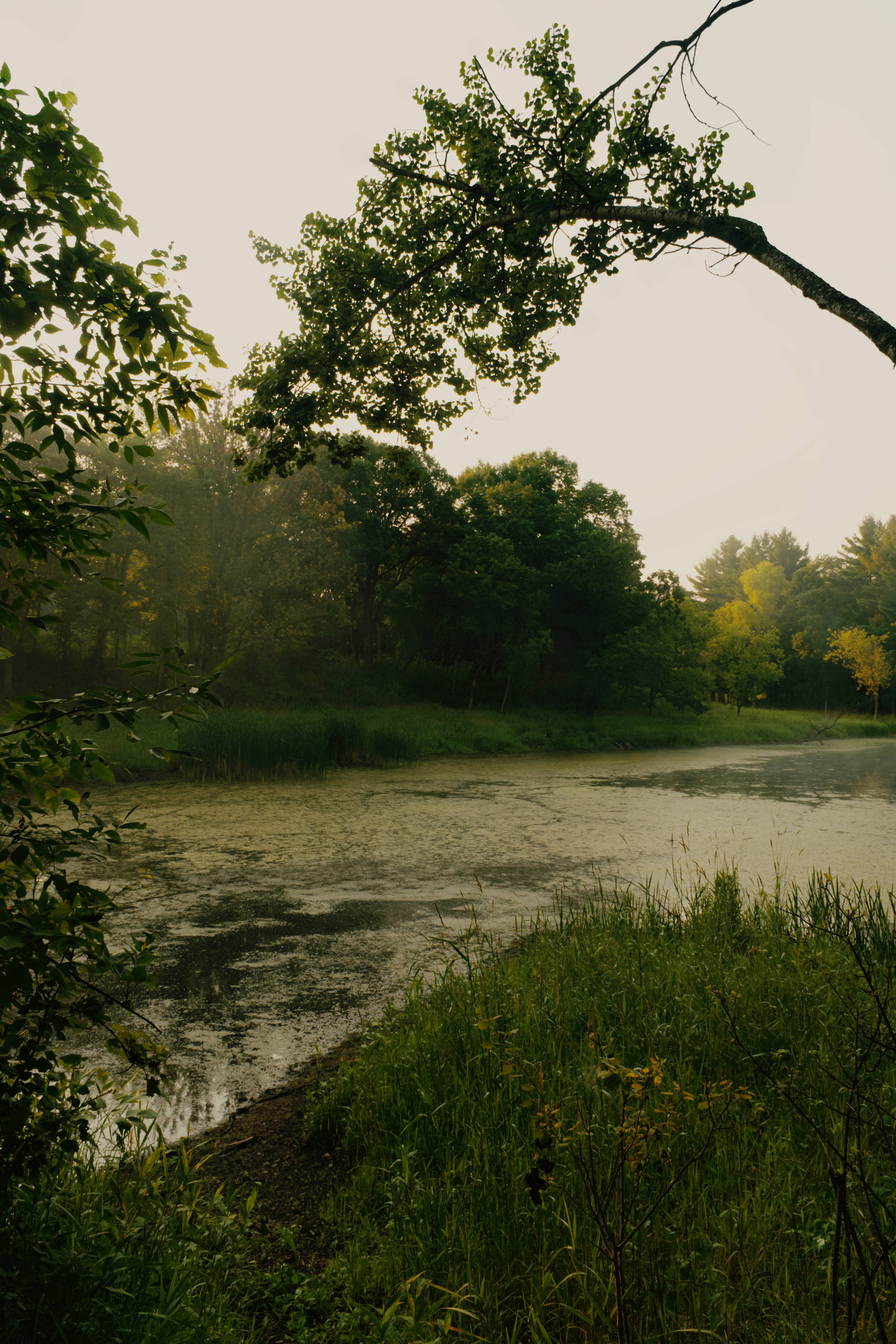


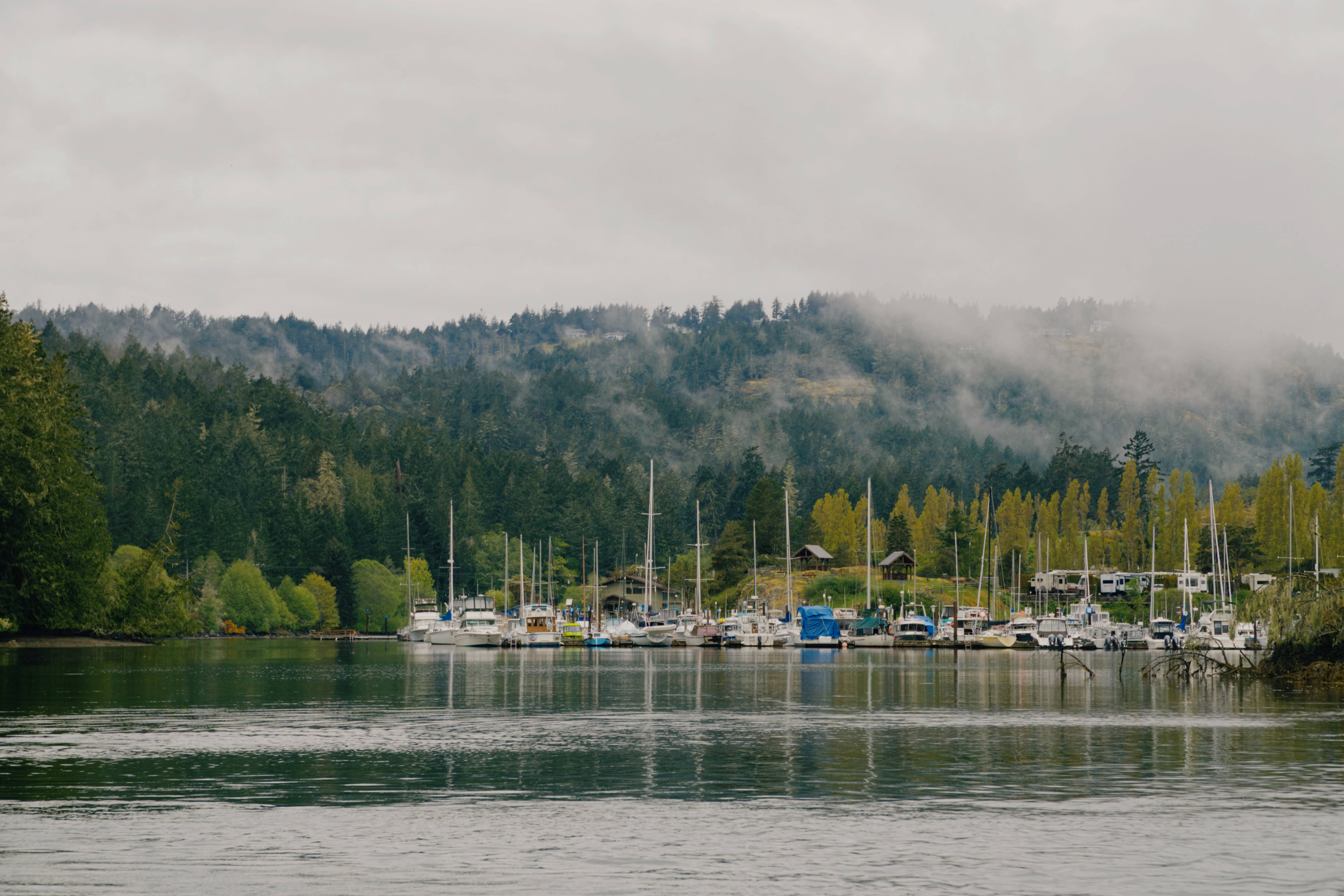


Second, Eduardo’s research is conducted across multiple scales, from household decision-making to regional and global processes. This awareness across scales has been critical to my own understanding of environmental issues. During Minnesota’s warm summer months, many people enjoy spending the day at the lake, swimming and taking in the sun, briefly forgetting about our long winters. However, harmful algae blooms have made some of our lakes dangerous to swim in. More frequent and intense algae blooms have been linked to climate change which warms waters, leading to faster reproduction and human impacts on nutrient cycles that contribute excess nitrogen to water tables, which is an important nutrient for algae growth. I brought this local understanding of algae blooms with me to British Columbia where I learned about large scale algae blooms that can threaten entire coastal ecosystems if left unchecked. Eduardo finds similar connections between local and global impacts of climate change and the social forces contributing to issues like deforestation in the Amazon.

And third, Eduardo has curated three museum exhibits which make his research more accessible to a public audience. If it weren’t for accessible science storytelling and public education initiatives, I don’t think I would be the environmental storyteller I am today. I grew up on Nova, PBS Kids, and enjoyed regular trips to the Minnesota Science Museum and now in my work with the Wrigley Institute and USC Sea Grant, I use my filmmaking skills to make research more accessible and visually engaging. Eduardo’s environmental research is incredibly connected to Amazonian communities and the impacts of his work are significant but by making his work more accessible, he amplifies his impact locally and globally.
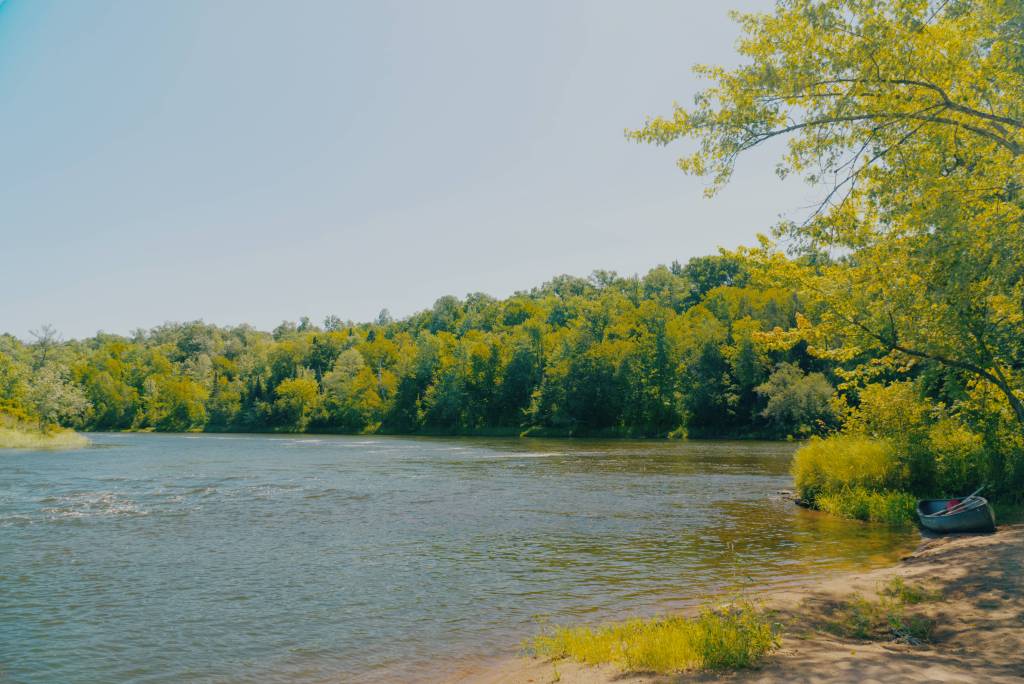
I’ve loved getting to learn about Eduardo’s work as a Tyler Prize Student Ambassador and to see intersections between my experiences and his research. Please check out the Tyler Prize at www.tylerprize.org and follow us on Instagram @tylerprize to see some of the awesome content that my fellow Ambassadors are creating. For fans of my previous blog series, Envirobytes, I’m excited to announce that I’ll be writing a new series on an exciting new idea —narrative ecology— soon. Be well and stay curious.
 Arian Tomar
Leave a Reply